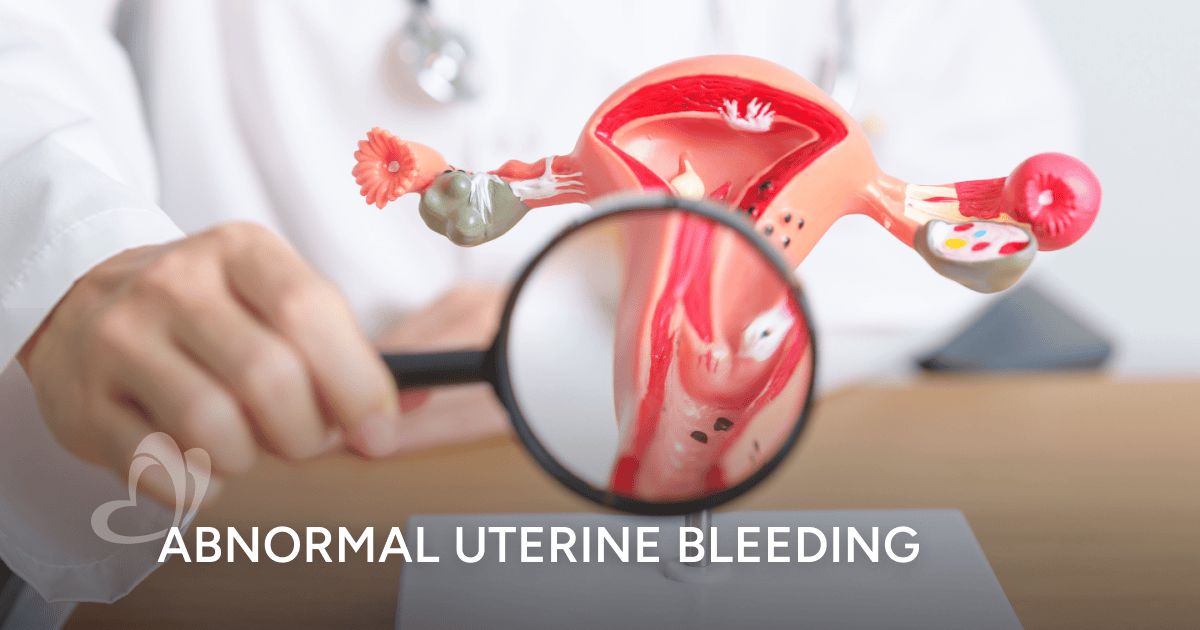
Abnormal uterine bleeding (AUB) refers to menstrual bleeding that differs from a woman's usual pattern in frequency, duration, regularity, or amount. It can occur at different stages of life and may be associated with hormonal imbalances, uterine fibroids, polyps, thyroid disorders, or other gynaecological conditions. Early evaluation helps identify the underlying cause and determine the appropriate treatment.
At Precision Medical Centre, Noida, Dr. Sangeeta Sharma, Director and Senior Consultant in Obstetrics, Gynaecology and Laparoscopic Surgery, provides personalised assessment and management guidance for abnormal uterine bleeding and related menstrual health concerns.
Menstrual cycles vary from person to person, but persistent changes in bleeding patterns may require medical attention. Abnormal uterine bleeding can occur during adolescence, reproductive years, perimenopause, or other stages of life.
Common signs include:
Heavy or prolonged bleeding can sometimes lead to iron deficiency and anaemia, causing fatigue, weakness, or dizziness.
Several factors may contribute to abnormal menstrual bleeding, including:
Identifying the underlying cause is essential for selecting suitable treatment.
Dr. Sangeeta Sharma evaluates menstrual history, bleeding patterns, associated symptoms, medical background, and reproductive health needs. Depending on the patient's age and symptoms, investigations may include:
The recommended investigations depend on individual circumstances and clinical findings.
Treatment is tailored to the underlying cause, severity of bleeding, age, medical history, and future pregnancy plans. Management may include:
Seek urgent medical care if heavy bleeding is accompanied by fainting, severe dizziness, breathlessness, severe pain, or possible pregnancy-related complications.
Persistent changes in menstrual bleeding should not be ignored. Timely consultation can help identify the cause, manage symptoms, and reduce the risk of complications such as anaemia.
If you are looking for an experienced gynaecologist in Noida for abnormal uterine bleeding, consult Dr. Sangeeta Sharma at Precision Medical Centre for personalised evaluation, appropriate treatment, and ongoing menstrual health care.